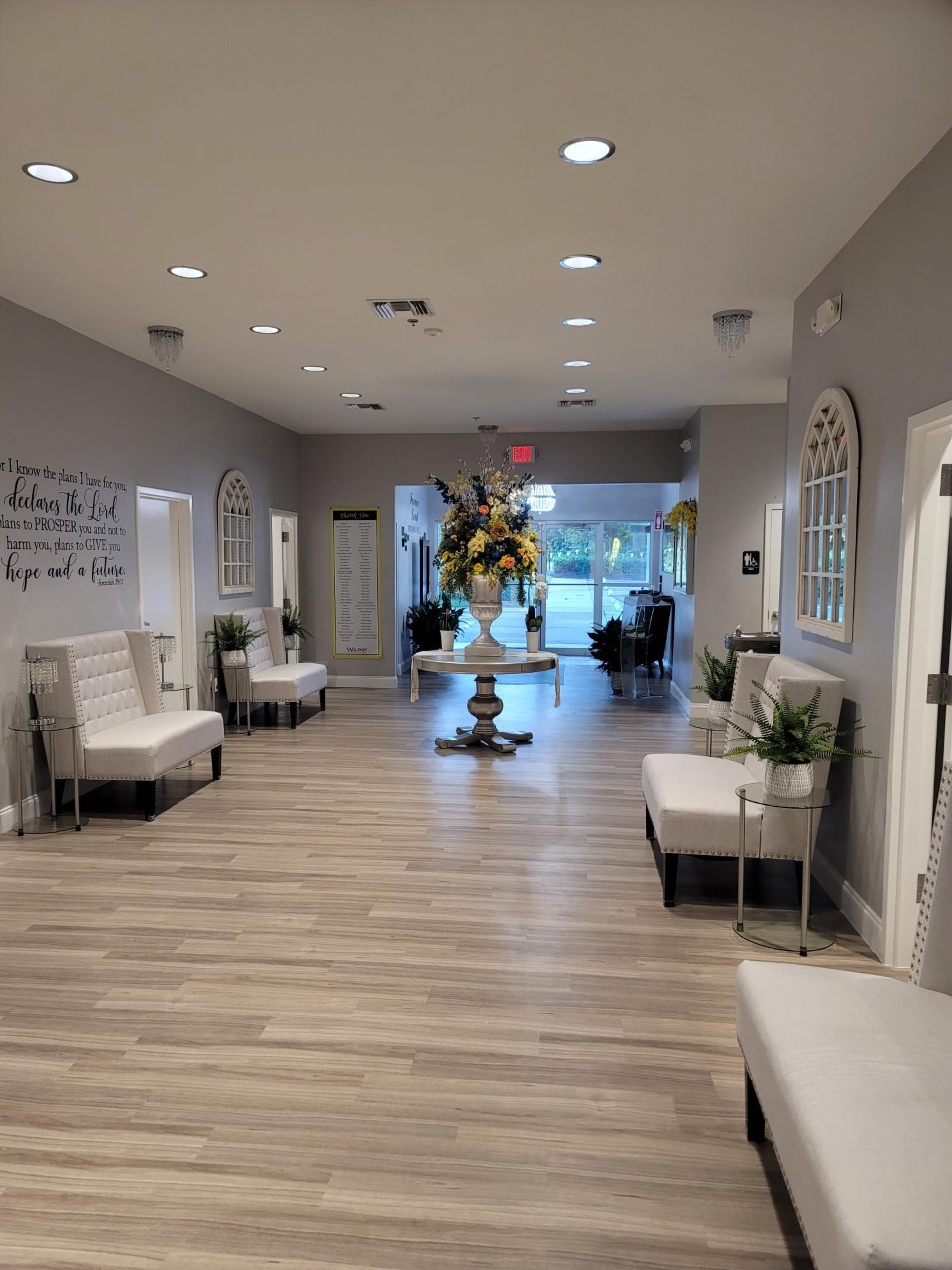
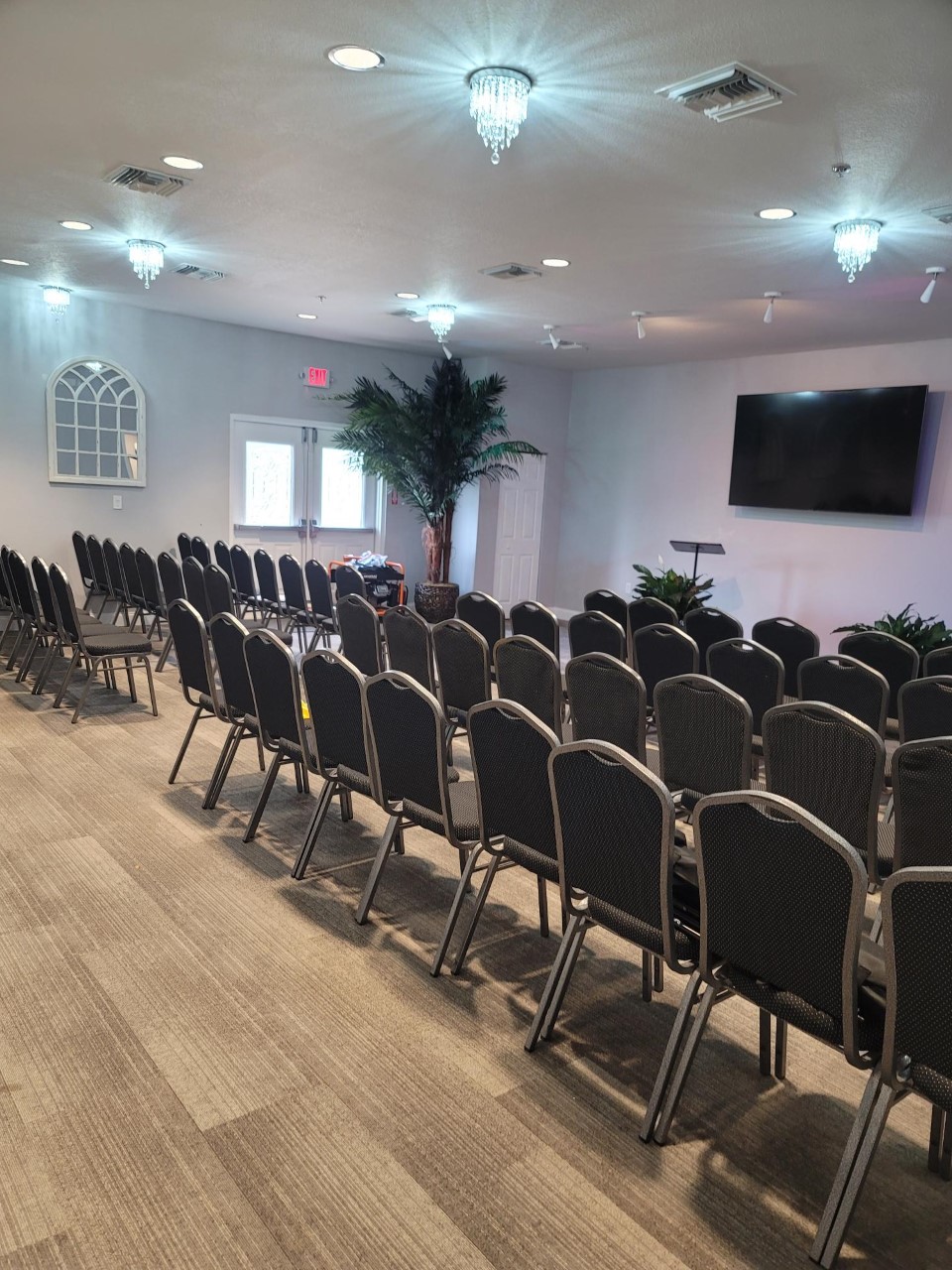
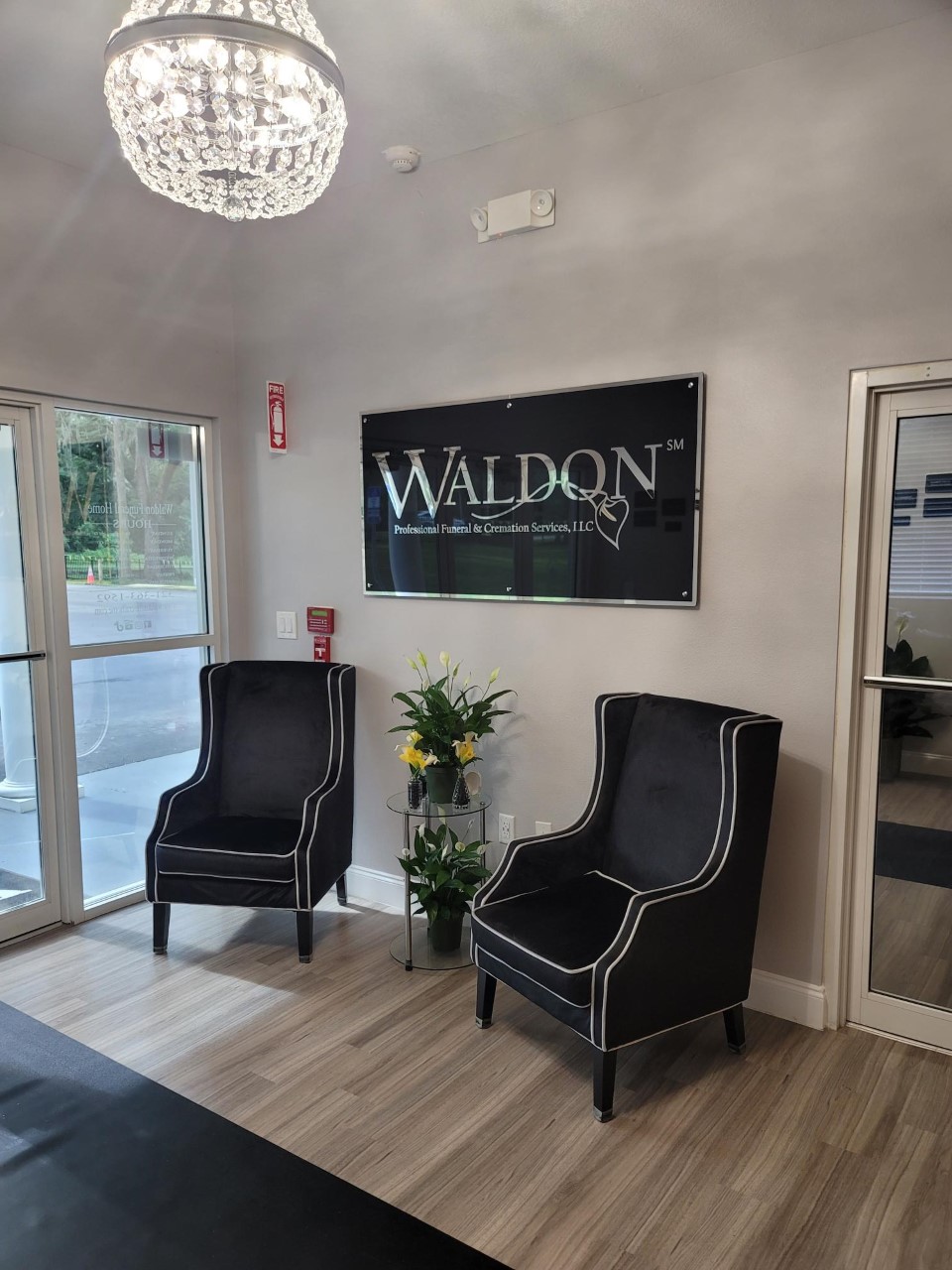
WALDON Professional Funeral & Cremation Services
Claimed 
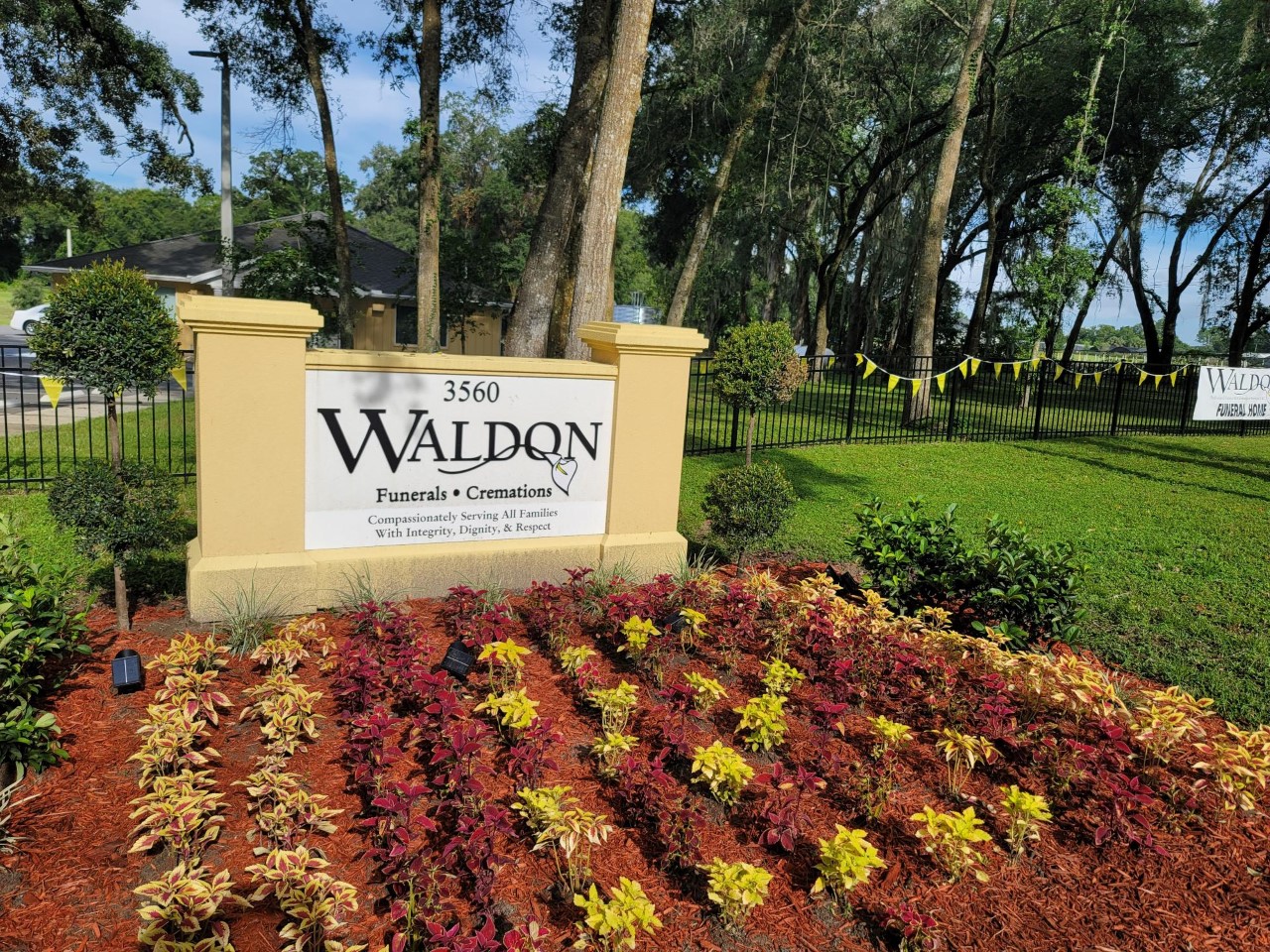
Funeral Homes and CrematoriesCemeteryCremation Service
Hours
Open 24 Hours, 7 Days a WeekSunday by appointment only.
About WALDON Professional Funeral & Cremation Services
WALDON Professional Funeral & Cremation Services is a full-service funeral home providing affordable services to the community. At WALDON Professional Funeral & Cremation Services, we understand the value of celebrating life and honoring loved ones who have passed. Our experienced and compassionate team is here to guide you in making arrangements that reflect your unique needs, traditions, and budget. We offer a variety of funeral and cremation services to meet your needs and preferences. Contact us today to learn more about how we can help you plan a meaningful and personalized service for your loved one. We seek to "Compassionately Serve All Families with Integrity, Dignity, & Respect"
Areas Served
Orange County, Seminole County, Lake County, Osceola County
Services

Funeral & Cremation Services
At Waldon we provide an array of funeral and cremation services click the link below to walk through the different services we provide.
https://waldonfuneralhome.partingpro.com/store/interest_level
FAQ
There are a number of options available, including:
Determine if the deceased person qualifies for any entitlements. Check with the Social Security Administration, the Department of Veterans Affairs, and with your State Fund. Many people are entitled to get financial assistance with their funeral costs from these agencies if they qualify.
Review all insurance policies the deceased person has, including life insurance. Some life insurance policies have coverage clauses for funeral related costs.
Find local charities providing financial help for funeral expenses. Search for non profit organizations and for churches in your area.
Talk to your funeral director about cremation options - these can be much less expensive depending on your choices.
Uncertainty about income tax issues can add to the stress experienced from the death of a spouse. You should meet with your family attorney and/or tax advisor as soon as possible to review your particular tax and estate circumstances. Bring a detailed list of your questions to the meeting. If you do not have an attorney or tax advisor, call the IRS toll-free at 800-829-1040 for answers to specific tax questions.
Yes — Depending upon the cemetery's policy, you may be able to save a grave space by having the cremains buried on top of the casketed remains of your spouse, or utilize the space provided next to him/her. Many cemeteries allow for multiple cremated remains to be interred in a single grave space.
If you wish to have your ashes scattered somewhere, it is important to discuss your wishes to be scattered ahead of time with the person or persons who will actually have to do the cremation ashes scattering ceremony, as they might want to let your funeral professional assist in the scattering ceremony. Funeral directors can also be very helpful in creating a meaningful and personal ash scattering ceremony that they will customize to fit your families specific desires. The services can be as formal or informal as you like. Scattering services can also be public or private. Again, it is advisable to check for local regulations regarding scattering in a public place-your funeral director can help you with this.
You might choose ground burial of the urn. If so, you may usually choose either a bronze memorial or monument. Cremation niches in columbariums are also available at many cemeteries. They offer the beauty of a mausoleum setting with the benefits of above ground placement of remains. Many cemeteries also offer scattering gardens. This area of a cemetery offers the peacefulness of a serene garden where family and friends can come and reflect.
With cremation, your options are numerous. The cremains can be interred in a cemetery plot, i.e., earth burial, retained by a family member, usually in an urn, scattered on private property, or at a place that was significant to the deceased. (It would always be advisable to check for local regulations regarding scattering in a public place-your funeral director can help you with this.)
Today, there are many different types of memorial options from which to choose. Memorialization is a time-honored tradition that has been practiced for centuries. A memorial serves as a tribute to a life lived and provides a focal point for remembrance, as well as a record for future generations. The type of memorial you choose is a personal decision.
It really depends entirely on how you wish to commemorate a life. One of the advantages of cremation is that it provides you with increased flexibility when you make your funeral and cemetery arrangements. You might, for example, choose to have a funeral service before the cremation; a memorial service at the time of cremation or after the cremation with the urn present; or a committal service at the final disposition of cremated remains. Funeral or memorial services can be held in a place of worship, a funeral home or in a crematory chapel.
When compared to other major life events like births and weddings, funerals are not expensive. A wedding costs at least three times as much; but because it is a happy event, wedding costs are rarely criticized. A funeral home is a 24-hour, labor-intensive business, with extensive facilities (viewing rooms, chapels, limousines, hearses, etc.), these expenses must be factored into the cost of a funeral.
Additionally, the cost of a funeral includes not only merchandise, like caskets, but the services of a funeral director in making arrangements; filing appropriate forms; dealing with doctors, ministers, florists, newspapers and others; and seeing to all the necessary details. Funeral directors look upon their profession as a service, but it is also a business. Like any business, funeral homes must make a profit to exist.
The Federal Trade Commission says, "Except in certain special cases, embalming is not required by law. Embalming may be necessary, however, if you select certain funeral arrangements, such as a funeral with viewing. If you do not want embalming, you usually have the right to choose an arrangement that does not require you to pay for it, such as direct cremation or immediate burial."
Embalming sanitizes and preserves the body. Embalming makes it possible to lengthen the time between death and the final disposition, allowing family members time to arrange and participate in the type of service most comforting to them.
Payments Accepted
American ExpressDiscoverPersonal ChecksMastercardVisaInsurance
Find Us

 Website